The typical 3D product animation cost for a consumer brand is $900 to $9,000+. The number moves with four things: how long the film is, how complex the product is, how many custom shots and effects it needs, and whether a 3D model already exists. This guide breaks those ranges down with the prices we quote at Broad Wave Creations. Use it to set a realistic budget before you talk to any studio, us included.
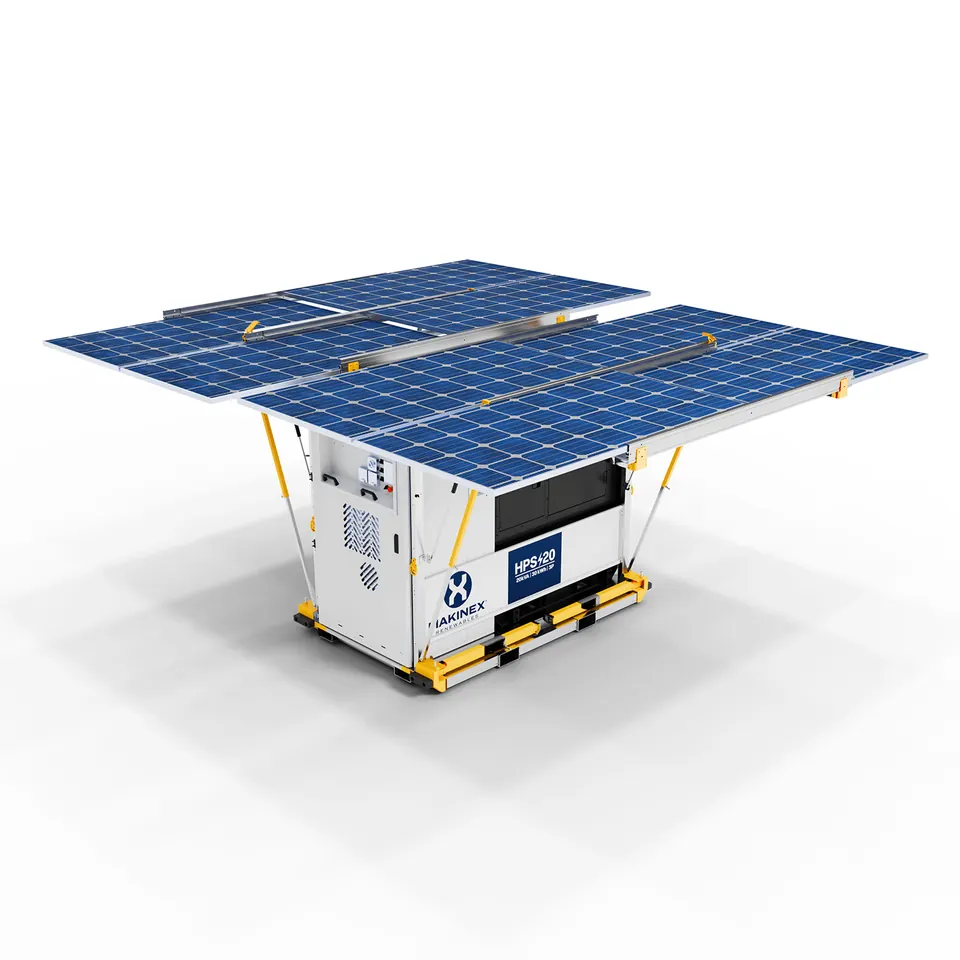
3D product animation cost: typical price ranges
| Type of animation | Typical length | Typical price | Turnaround |
|---|---|---|---|
| 360° turntable / product spin | 8–15 s | $900 – $1,800 | 3–5 days |
| Feature highlight film (3–5 features, close-ups, text call-outs) | 20–45 s | $1,800 – $4,500 | 5–10 days |
| Launch film / cinematic ad (camera moves, effects, sound design) | 30–60 s | $4,500 – $9,000+ | 2–4 weeks |
| Technical explainer / exploded view (internals, assembly) | 45–90 s | $3,000 – $8,000 | 1–3 weeks |
These ranges include preparing the 3D model from your CAD files. Simulation-heavy shots such as liquids, cloth, smoke or particles sit at the top of each range. So do photoreal skin, hair, and products with dozens of separate parts.
What actually drives the price
1. The 3D model
Every animation starts from a model. If you have CAD files (STEP, IGES, SolidWorks, Fusion 360), the model is accurate from day one. We only need to clean the geometry and add materials. If we have to build the product from photos or drawings, add roughly $200–$900 depending on complexity. A matte plastic bottle is quick. A watch with a movement, a chain and engraved text is not. We explain the full workflow in CAD to CGI product visualization, and you can see examples on our 3D product modeling page.
2. Materials and lighting
Glass, liquid, chrome, gemstones and soft fabric take more look-development time than painted plastic or metal. They need careful lighting and more test renders before they read as real. That is why perfume, jewelry and watch films cost more than a power-bank spin of the same length.
3. Shot count, not just length
Thirty seconds made of one continuous orbit is much cheaper than thirty seconds made of ten different shots. Each new shot needs its own camera, lighting tweaks and render pass. When you compare quotes, compare the number of shots, not only the duration.
4. Effects and simulation
Splashes, pouring liquid, fabric that drapes, foam, powder bursts and parts that assemble themselves are all simulations. They are worth it when they show a feature a still image cannot. They are also usually the single biggest line on the quote.
5. Resolution, formats and cut-downs
A 1080p master is standard. 4K, vertical 9:16 cut-downs for Reels and TikTok, square versions for marketplaces, and silent loops for your website add render and edit time. Ask for them in the brief and they are cheap. Ask after delivery and they cost more.
6. Revisions and approvals
In our experience, most overruns come from late changes, for example a new colour after final renders or a feature added after the storyboard is approved. A clear brief and an approved storyboard or style frame protect your budget more than any discount.
Freelancer vs studio vs agency
Price differences between providers are real. Here is what you are paying for at each level:
- Entry-level freelancers can deliver simple spins cheaply. Quality and reliability vary, and complex materials are often where it shows.
- Specialist product studios like ours sit in the middle. You get a dedicated product-visualization team, engineering-grade accuracy from CAD, and predictable turnaround. You don’t pay ad-agency overhead.
- Full-service agencies add strategy, scripting and media buying. Their 3D work is sometimes outsourced, and the same film usually costs noticeably more.
How to get an accurate quote in one round
- Send the files you have. CAD, photos from six angles, and the colour and finish references (Pantone or RAL codes, or a physical sample photo next to a white card).
- Say where it will run. Website hero, Amazon, Instagram, a trade-show screen. This decides length, aspect ratio and pacing.
- List the 3–5 features to show, in order of importance.
- Share two reference videos you like and one you don’t.
- Give a deadline and a budget band. A band lets the studio propose the best film for your money instead of guessing.
Is 3D animation worth it compared with filming?
For most physical products, yes, especially before the product exists. You can launch pre-orders, crowdfunding or retail pitches from CAD alone. One model then produces stills, Amazon images, ads and future variants without another shoot. We compare the two in detail in CGI vs product photography.
Our pricing, plainly
Broad Wave Creations has delivered 250+ projects over 7+ years for consumer and industrial product brands. Our current ranges are on the pricing page. A clear range up front saves both sides time: you can see quickly whether we fit your budget, and if we do, the quote you get will be close to it.
Have a product in mind? Send us a brief or see examples on our 3D animation page. We usually reply within one working day with a quote and timeline.
FAQ
How much does a 30-second 3D product animation cost?
Usually $1,800–$4,500 for a feature highlight film with a few shots. Expect $4,500+ for a cinematic launch film with effects and sound design.
How long does a 3D product animation take?
A product spin can be ready in 3–5 days. A 30-second feature film typically takes 5–10 working days from an approved storyboard, and complex launch films take 2–4 weeks.
Do I need CAD files?
No, but they help. With CAD the model is exact and modeling cost drops. Without CAD we build from photos, drawings or a physical sample.
Can I reuse the 3D model later?
Yes. The model you paid for can produce stills, Amazon images, new colours and future ads, usually for much less than the first project because the modeling is already done.
